

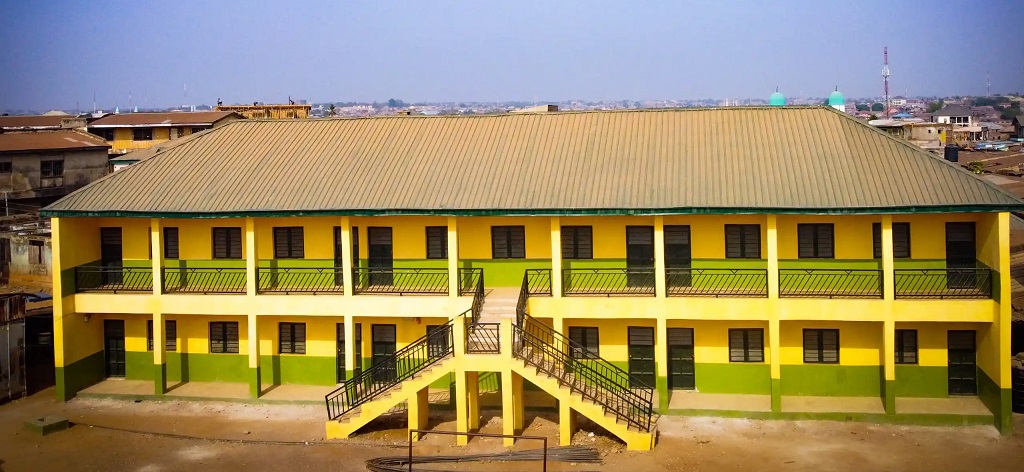
Kwara orders security cover for schools in Ifelodun, Ekiti, Irepodun, Isin, Oke Ero LGAs
The Kwara State government said it has introduced proactive security measures for schools in five local government areas to ensure safer environments for schoolchildren.
The step was announced on Wednesday by the education commissioner, Lawal Olohungbebe, in a statement.
According to the statement, the measures affect schools in Ifelodun, Ekiti, Irepodun, Isin, and Oke Ero LGAs.
READ ALSO: Bandits kill two, abduct many in new attack on Eruku community
The statement underscored the determination of the government to curtail the activities of kidnappers who may want to use schoolchildren as human shields from renewed security crackdowns.
“The measures also cover boarding schools in Irepodun, which could be targets of the criminals who are running for cover amidst widening security operations.
“The measures remain in place while awaiting further security clearance for normal activities to resume,” the statement said.
Insecurity in Kwara
Kwara State, once known as the “State of Harmony,” has recently experienced a significant surge in insecurity, transforming it into a precarious environment plagued by various criminal activities.
This escalating insecurity has instilled fear and anxiety among residents, disrupted socio-economic activities, and led to the displacement of numerous individuals and communities.
The challenges manifest in different forms, including banditry, kidnapping, armed robbery, and even terrorist attacks, particularly affecting communities in Kwara North and South senatorial districts. The impact is far-reaching, with many finding it difficult to access their farms, and essential services like markets and health centers shutting down due to fear.
The causes of insecurity in Kwara State are multifaceted and deeply rooted in a combination of internal and external factors. One significant contributor is the incursion of illegal mining operators, as areas rich in solid minerals often coincide with regions experiencing heightened insecurity.
This suggests a link between resource exploitation and criminal activities. Furthermore, systemic and political corruption, coupled with government failure and a breakdown of institutional infrastructure, are identified as major drivers of insecurity across Nigeria, including Kwara State.
The failure of successive administrations to address issues such as poverty, unemployment, and inequitable wealth distribution also fuels violent conflicts, as unemployed youth are vulnerable to recruitment by deviant groups. Porous borders contribute to the problem by allowing unchecked inflow of small arms and light weapons, which in turn aids militancy and criminality. The influx of foreign herders armed with sophisticated weapons has also intensified conflicts over depleting land resources between herders and farmers, particularly in North Central Nigeria, where Kwara State is located.
The consequences of this escalating insecurity are dire, impacting various aspects of life in Kwara State. Economically, insecurity threatens lives and properties, hinders business activities, and discourages both local and foreign investors, ultimately stifling socio-economic development.
The displacement of communities due to attacks leads to humanitarian crises and increased impoverishment for both displaced persons and host communities.
Education is also severely affected, with insecurity leading to school closures, a decline in school enrollment, and an increase in illiteracy and social problems such as thuggery and armed robbery.
The psychological toll on individuals is significant, with many experiencing trauma and loss. Addressing this complex issue requires a multi-faceted approach involving collaboration among various stakeholders, increased investment in intelligence gathering, community policing, and addressing the root causes of insecurity such as unemployment, poverty, and social inequality.